
RAG vs. the LLM Wiki: Two Ways to Give an AI Memory
I'm building an airgapped research agent, and one question kept coming back: should it retrieve raw chunks (RAG) or read a curated wiki? They sound like rivals. They aren't — and here's how I actually think about it.

How to Fine-Tune a Local LLM on an Apple Silicon Mac (MLX + LoRA, the Actual Commands)
You don't need a cloud GPU to fine-tune a 7B model. On any Apple Silicon Mac you can teach a local LLM one specific behavior in an evening — install, data format, the training command, and how to run the result. Copy-paste commands, every flag explained.

How to Prove a Fine-Tune Actually Reduced Hallucination — Not Just Memorized Your Test Set
A before/after hallucination number is the least trustworthy metric in fine-tuning. A LoRA run on a 7B model locally dropped ungrounded numbers from 3/11 to 0/11 — but the result only became believable after two checks: does it generalize to unseen topics, and is the eval harness even scoring honestly?

How to Write a Claude Code Skill That Actually Triggers — It's All in the Description

Scheduling an AI Agent with OpenClaw Cron: From Trigger to Trustworthy Automation
How to put a recurring task on autopilot with an OpenClaw cron job — the trigger, the skill it runs, the test loop, and the reliability patterns that make unattended agent automation trustworthy. A self-rebuilding meal planner is the running example.

Why one benchmark won't tell you the best coding LLM in 2026 — and which three together actually do
Most coding LLM rankings measure one slice — generic reasoning, repo-wide patching, or edit accuracy — and rank confidently. Picking by a single source steers you to the wrong model for your actual task. Here's how to read three together, and a live page that does it for you daily.

Designing Frontends Claude Can Actually Use — A 7-Step Field Guide
Last Wednesday, Claude navigated my multi-criteria scoring web app, evaluated a sample candidate, flagged a potential methodology bias, worked through a fix with me, ran 305 tests, and shipped the patch to production — all in one afternoon. Here is what made that possible (and what would have made it impossible).
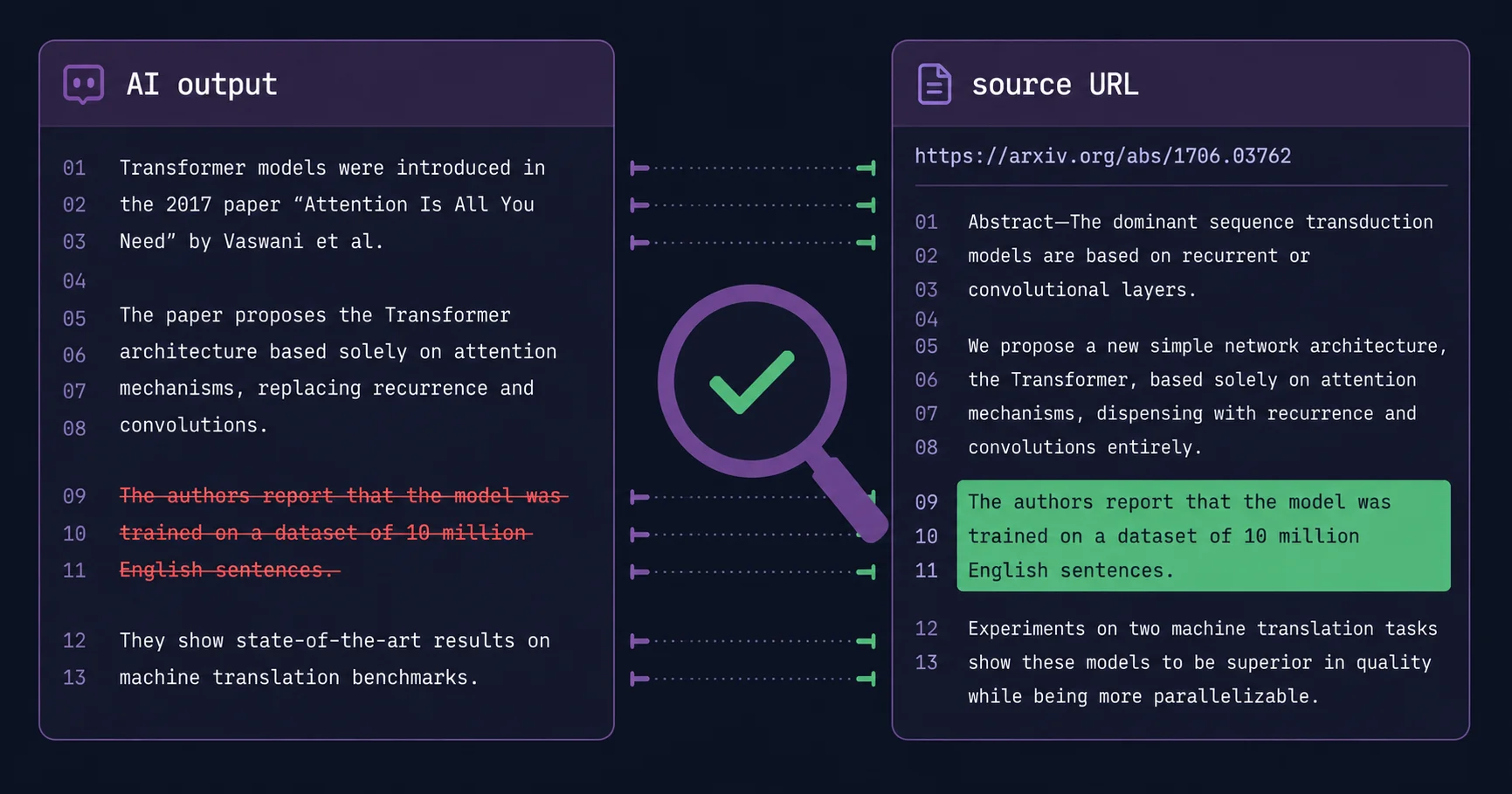
A Build-Pipeline Checklist for Catching AI-Fabricated Research Citations
If you've ever asked an AI to pull literature data and worried the cited PMIDs might be invented, here's a build-time check that refuses to ship the moment a quoted excerpt can't be found in its source URL. Six lines of logic, three layers of protection.

Karpathy's LLM Wiki, Adapted to an Existing Obsidian Vault

Building a Dual-AI Workflow That Plans, Builds, and Reviews Its Own Code
I merged the best parts of two GitHub repos — a forced review loop and a smart routing engine — into a custom Claude Code plugin called FRIDAY. It plans with Codex audit, routes implementation between Claude and Codex by size, enforces mandatory review, and does TDD. All in plain markdown files.

OpenAI's Codex plugin runs inside Claude Code — here's how to set it up
OpenAI released an official Codex plugin that runs inside Claude Code — their competitor's terminal. I installed it, set up the MCP server, and now my AI coding assistant has a second opinion on speed dial.

How to Set Up Obsidian as a Second Brain (and Plug It Into Your AI Agent)
A non-developer's guide to setting up Obsidian as your personal knowledge base — from installation to graph view to connecting it with Claude AI via MCP. No coding required. Just folders, links, and a system that actually works.

Building a Fully Autonomous AI Agent (Jarvis Mode): Five Rewrites of Lessons
My AI kept pausing to ask permission. So I built Jarvis Mode — a fully autonomous agent system with three phases, parallel workers, and mandatory quality gates. A vibe-coder's guide to Claude Code plugins and skills.

Claude Code Ran 72 Backtests in My Browser — Here's How the Automation Worked
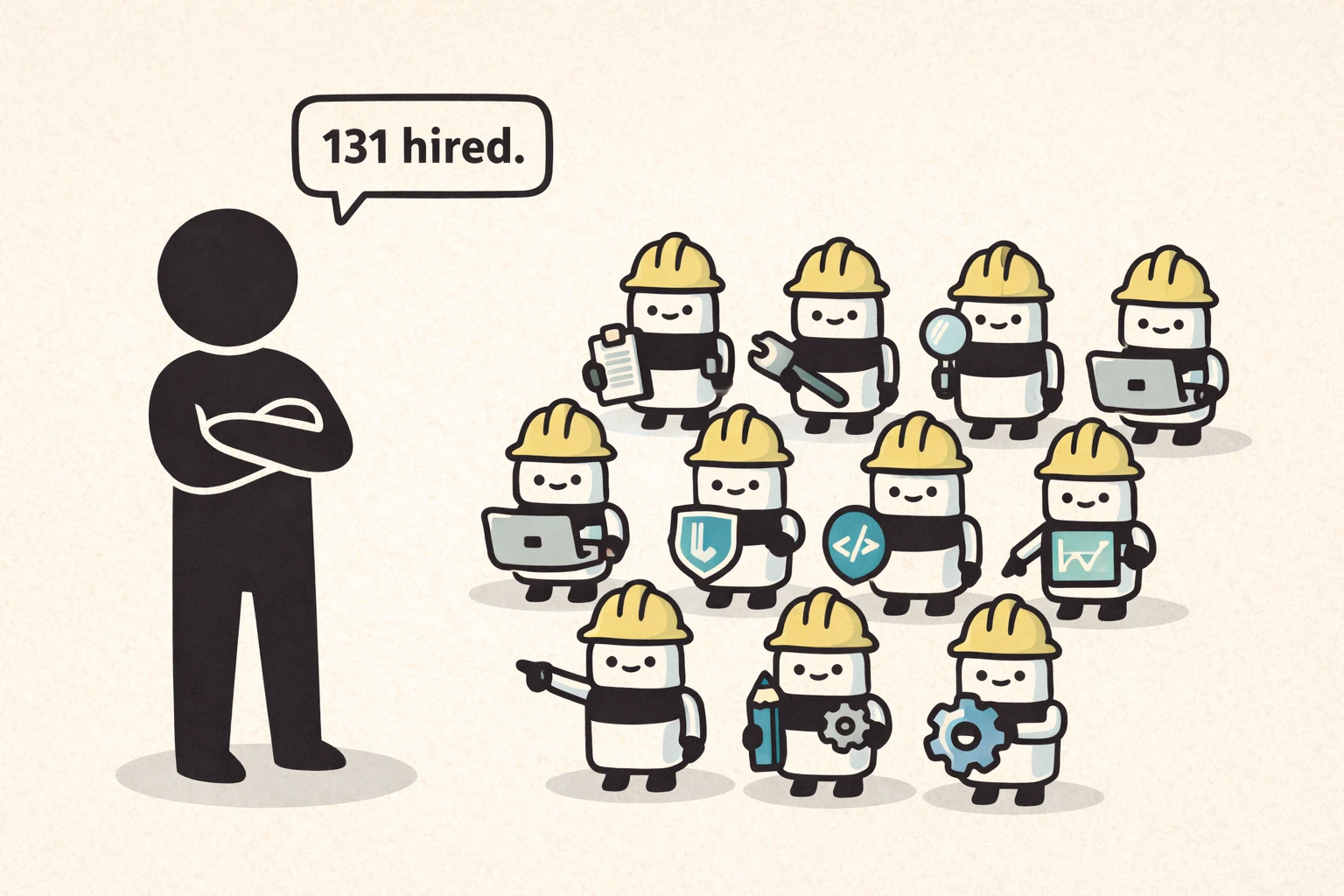
Claude Code Subagents: 3 Patterns That Actually Earn Their Keep
Forget the 'install 100 agents' hype. Here are the three subagent patterns I actually use — structured dispatch for decisions, mandatory review gates for autonomous work, and workload partition for big batches.

Tell Your AI the Right Component Name (Or Get the Wrong Clickable Thing)
Ask an AI for 'a slidey on-off thing' and you get a checkbox. This is the naming layer for vibe coding: every interactive component matched to the exact prompt that makes Claude build it right the first time.

Tell Claude Exactly Where to Put It: Layout Words That Make AI Coding Precise
When you prompt Claude for a UI, the right word is the difference between one round and five. Here are the layout terms that make AI coding precise — header, hero, modal, breakpoint — each paired with the exact prompt that lands.
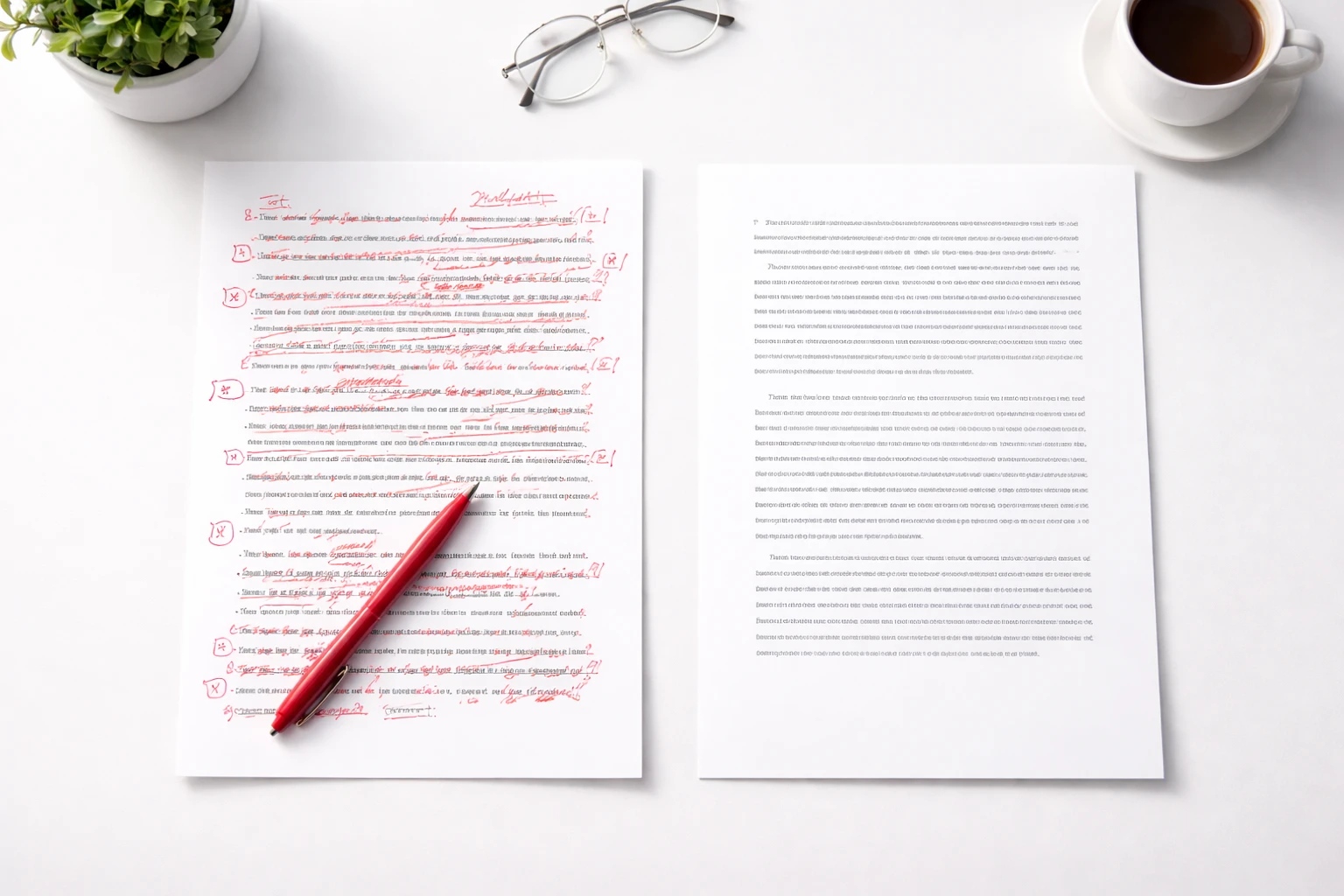
Why Your AI Over-corrects Normal Text (and How to Stop It)
Three bugs that made VORA's AI rewrite normal speech: a doubled prompt, overly broad Korean text triggers, and vague correction instructions. How I fixed each one.